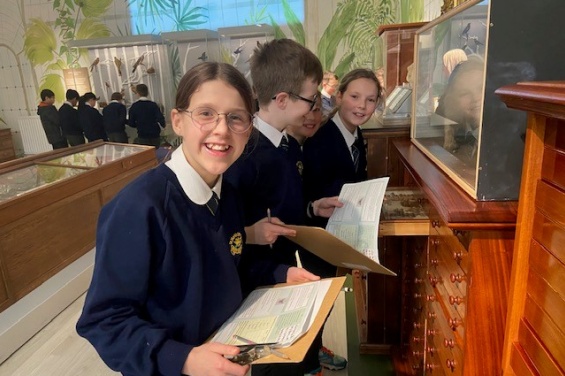

The Amelia Scott takes its name from a remarkable local campaigner and its building has a story spanning more than a century. Here’s how a person and a place both came to shape Tunbridge Wells.
Amelia Scott: a life of service
Amelia (Millie) Scott was a tireless social reformer and campaigner for women’s suffrage, who lived and worked right here in Tunbridge Wells. Much of her activism focused on the needs of young, working-class women and mothers and she served as an official of the town’s non-militant women’s suffrage society.
As a Poor Law Guardian, Amelia inspected the workhouse at Pembury, raising awareness of the needs of new mothers and workhouse inmates alike.
During the First World War, Amelia and her sister Louisa joined the committee formed to welcome and support Belgian refugees. Her work was recognised by the King of Belgium, who awarded her the Order of the Golden Palm.
In 1919, Amelia Scott and Susan Power became the first women elected to Tunbridge Wells Borough Council. Amelia campaigned for the recruitment of women police officers and for better housing and she appealed for the town to have its own museum and library.
Amelia retired from the council in 1930, but her work in the community continued. She ran a local soup kitchen to help the unemployed, remained Chair of the hospital committee at Pembury and wrote Passing of the Great Dread, charting the transformation of the old workhouse into a modern hospital.
A building built on community
Tunbridge Wells has a long history of providing library, museum, and adult education services and fittingly, Amelia Scott herself played a part in shaping all three.
The town’s original museum dates from 1885, when Dr George Abbott founded the Tunbridge Wells Natural History and Philosophical Society, with a town museum as one of its aims. Starting life on the Pantiles with a focus on natural history, the collection grew to include local history, archaeology, Tunbridge ware and social history. The Borough Council adopted the museum in 1918, moving it to a converted shop on Crescent Road.
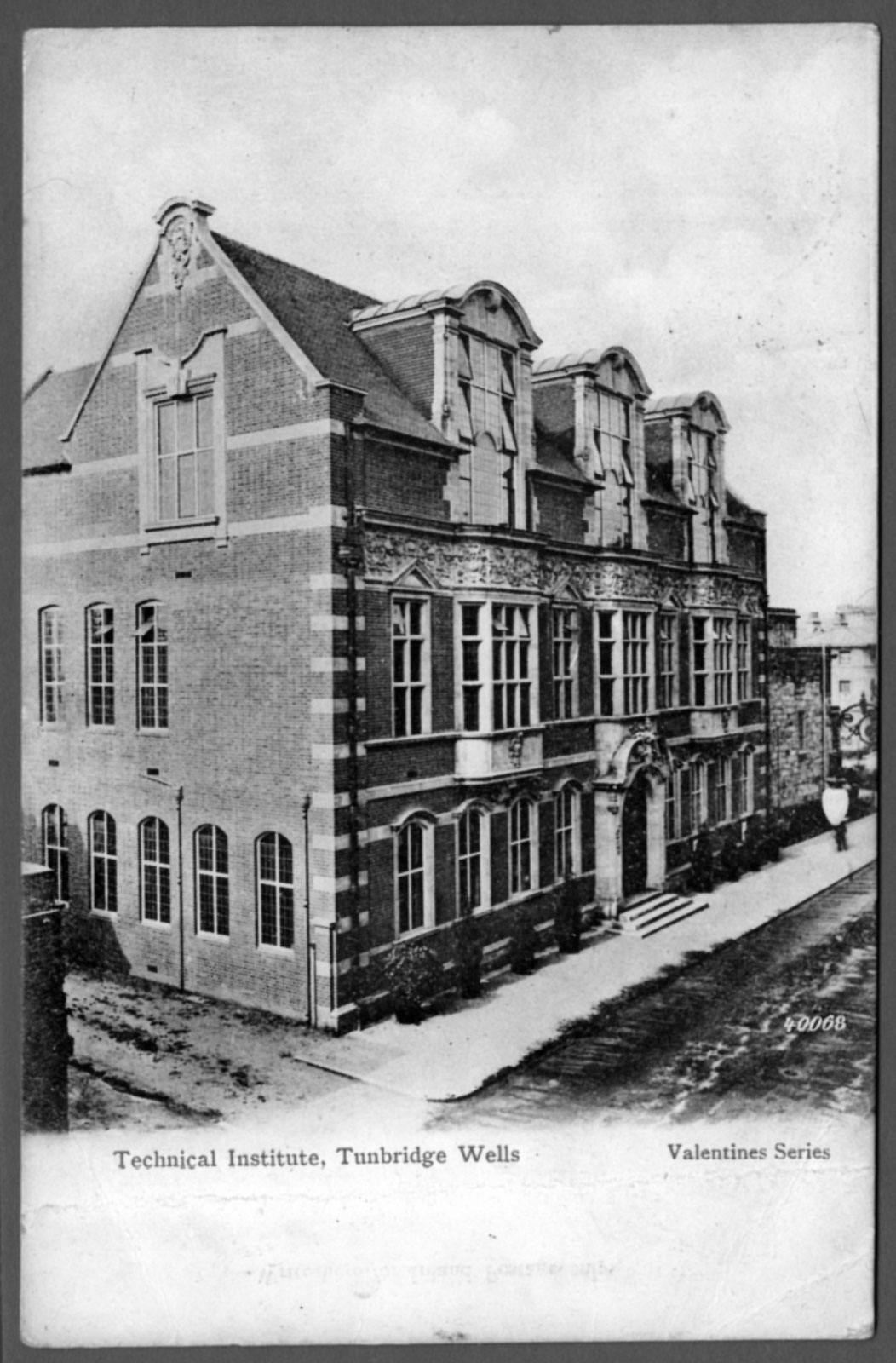
Dr Abbott also founded the Technical Institute, which would later become today’s Adult Education service. It began in 1888 as a programme of classes held in the basement of his Ear and Eye Hospital on Mount Sion. The Council took over in 1893, and the building we know today as part of The Amelia opened in November 1902, designed by architect Henry Hare.
The library’s story began as a voluntary enterprise too, run by the Mechanics’ Institute from the 1850s as part of the Victorian movement for working-class self-improvement. When the Institute moved to Dudley Road in 1872, it brought a library and reading room that served as the town’s de facto public library for decades. In 1921, local campaigners — Amelia Scott among them — persuaded the Council to take over the building and turn it into a free library for local residents.
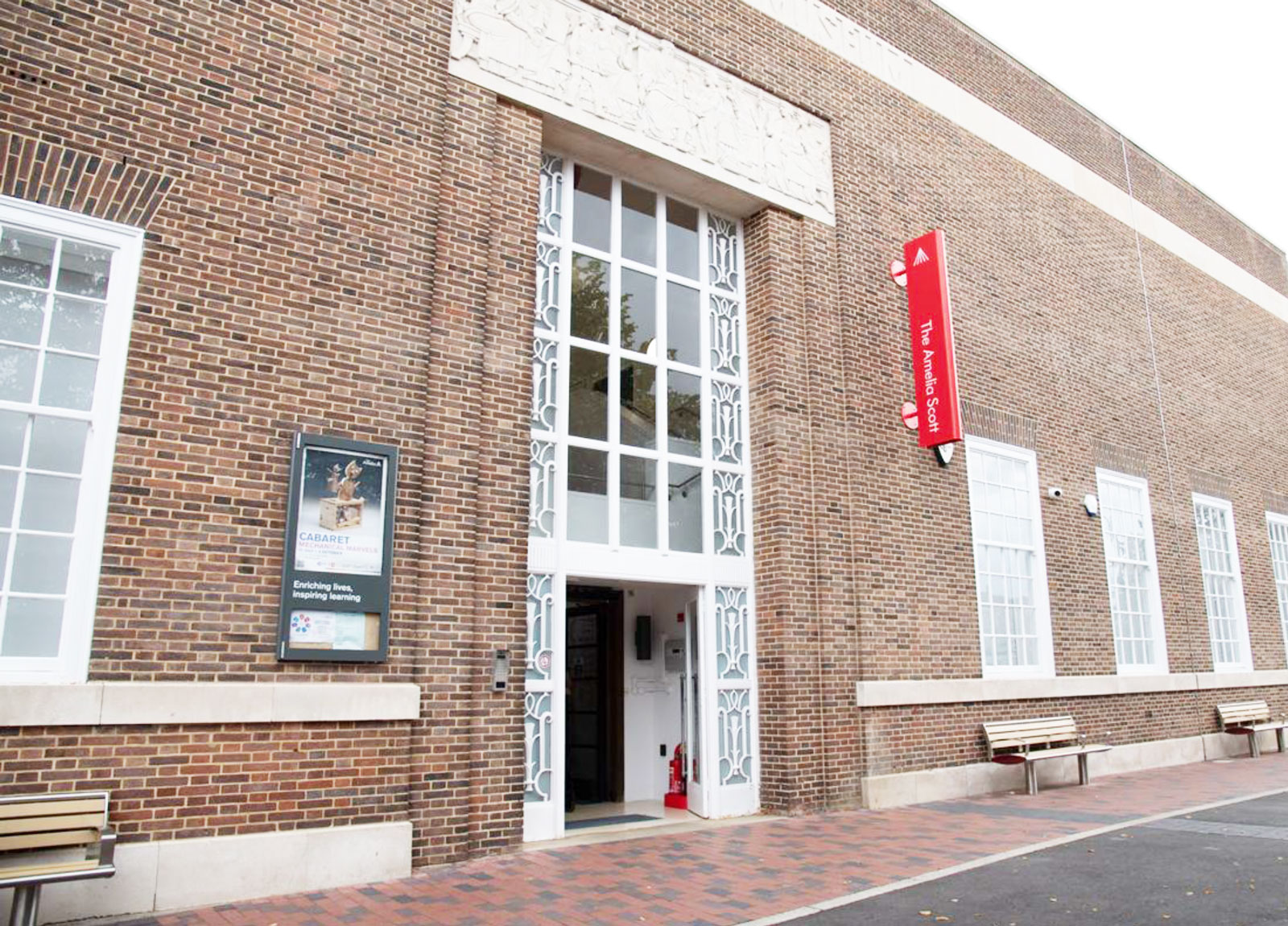
As early as 1895, the Council had bought land on Mount Pleasant hill with ambitions for a new civic centre, including a town hall, library and museum. Progress stalled for decades, until a 1934 architectural competition was won by Percy Thomas and Ernest Prestwich. Work began in 1939, was interrupted by the Second World War and wasn’t completed until the early 1950s. The building finally opened in 1952 with the Library, followed by the Museum in 1955.
The Amelia Scott today
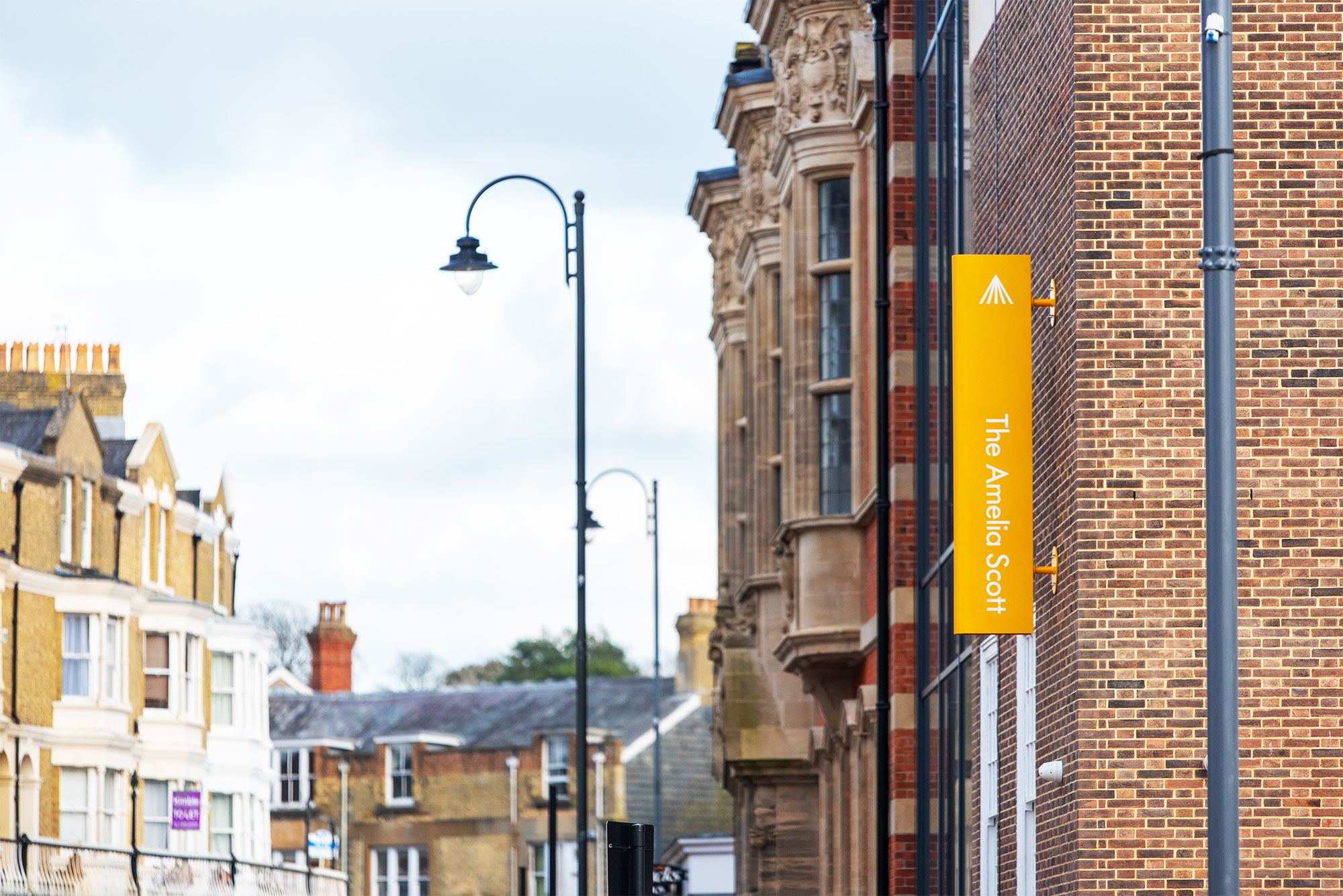
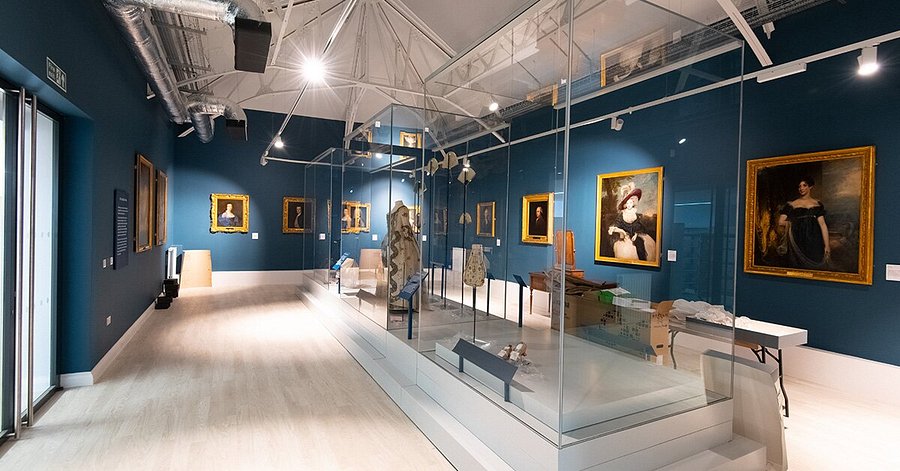
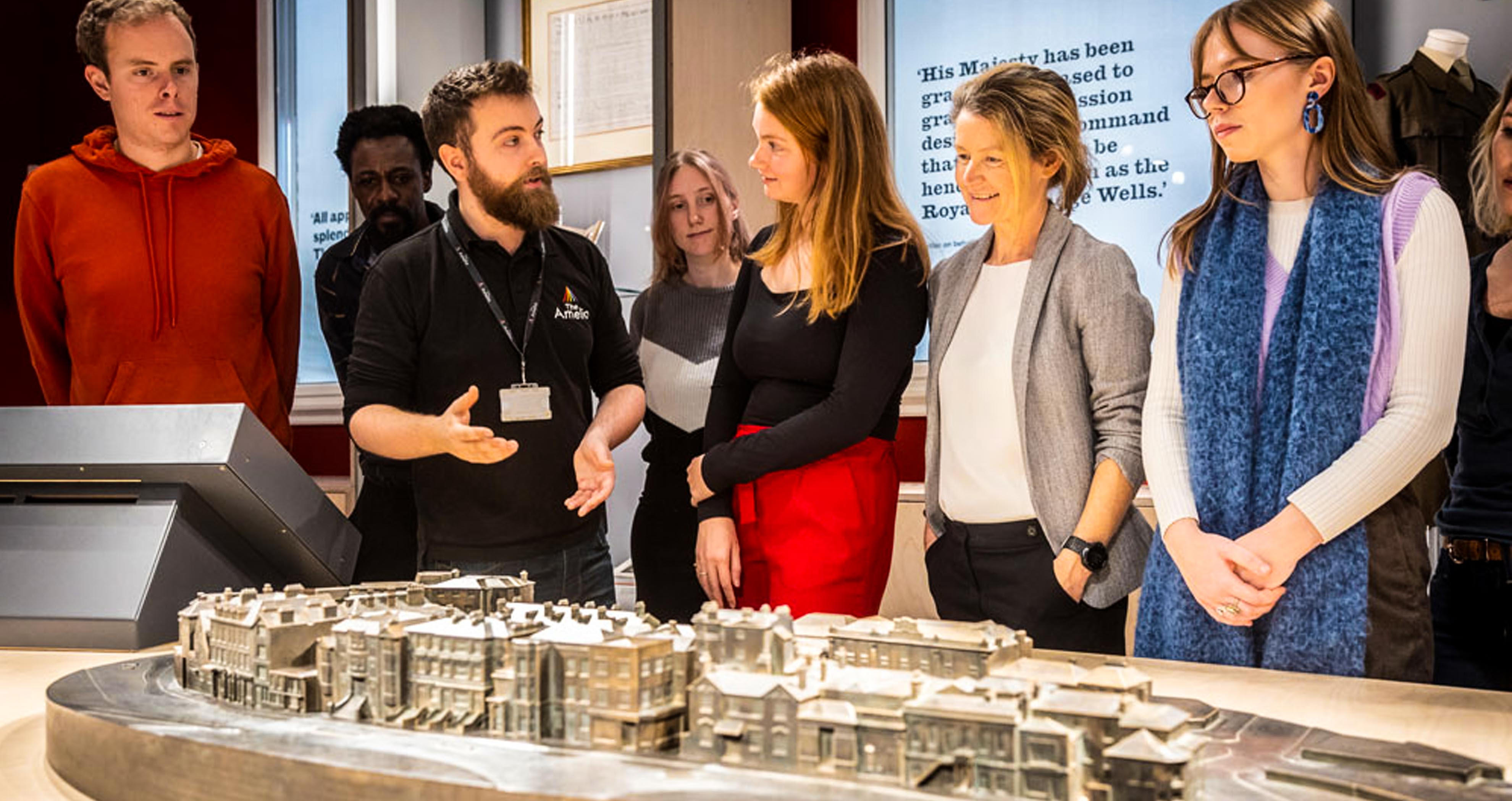
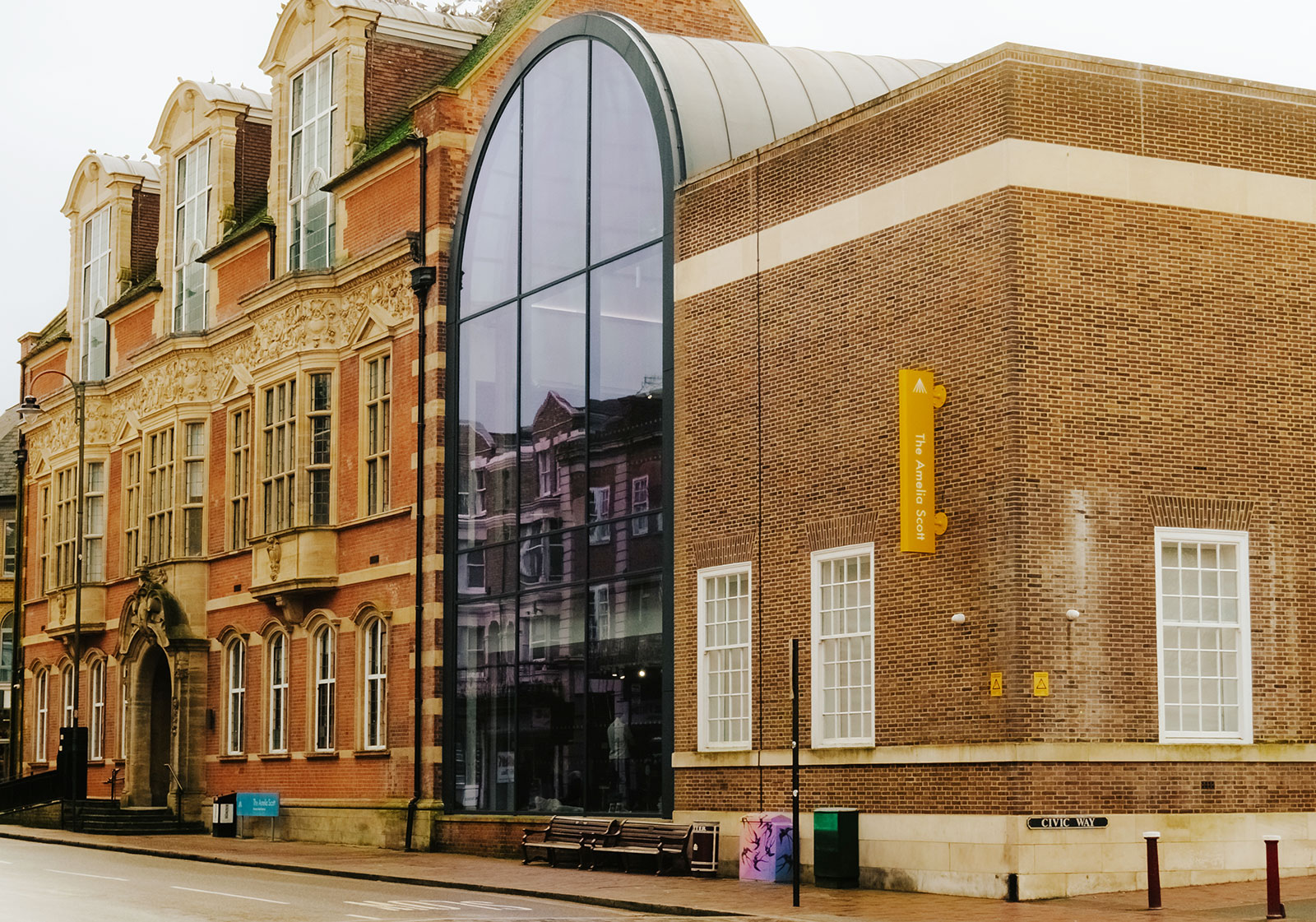
The Amelia Scott opened in April 2022, bringing library, museum and adult education together under one roof for the first time. It’s the result of a partnership between Tunbridge Wells Borough Council and Kent County Council, launched in 2013 and funded with support from the National Lottery Heritage Fund and Arts Council England.
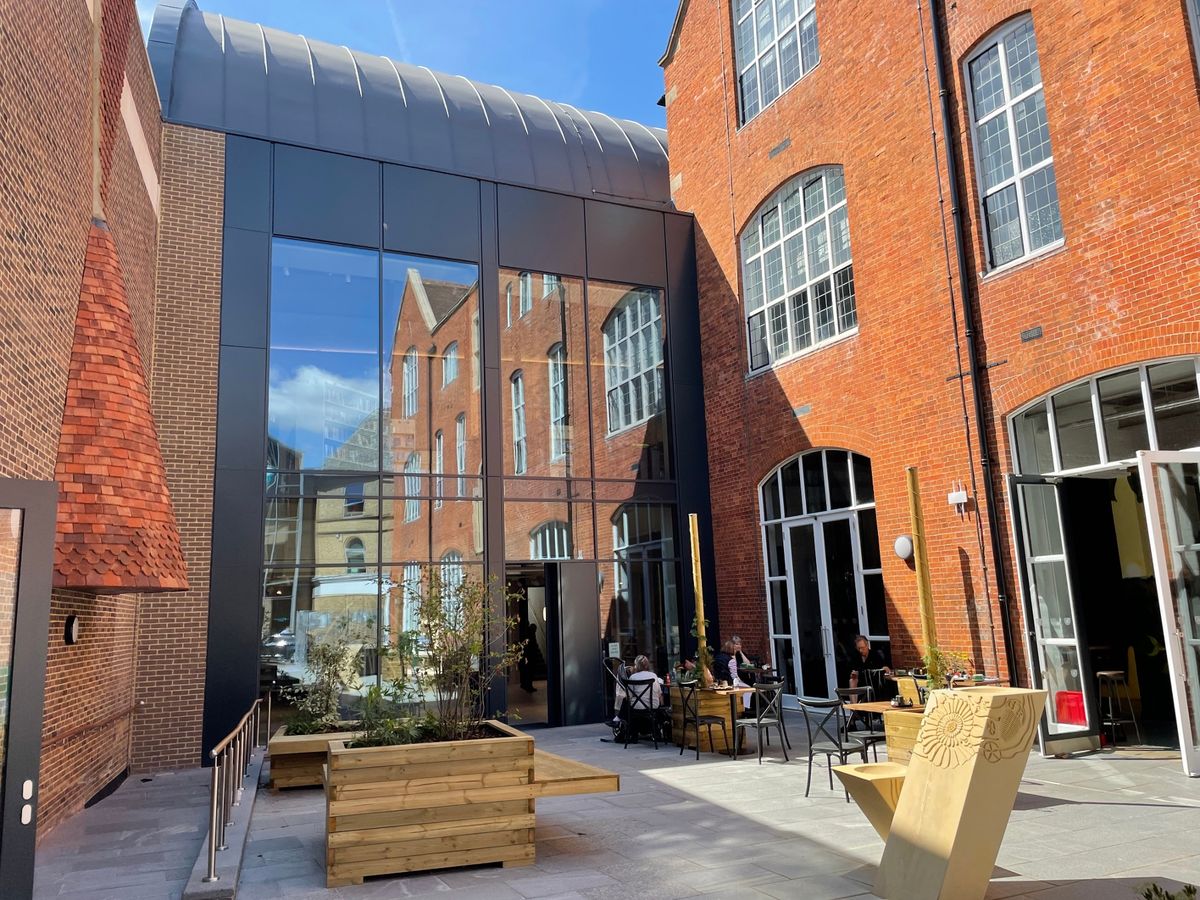
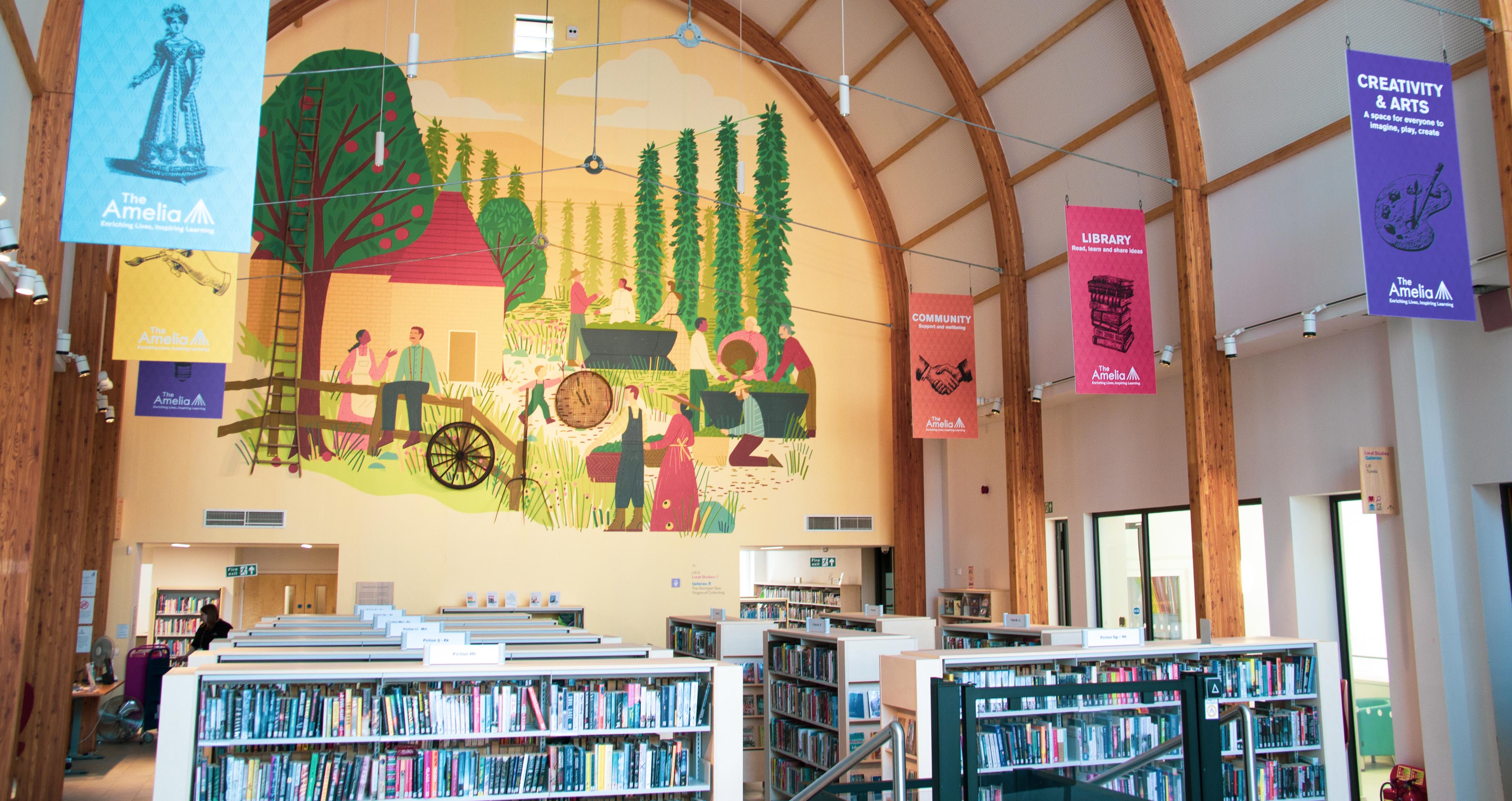
Two historic listed buildings now stand joined by a barrel-vaulted atrium at the heart of the site, alongside an entirely new wing housing our temporary exhibition space, local studies and archive.
The Amelia continues in the spirit of Amelia Scott’s own work – creating a place where the whole community can come together through our collections, services and activities.